Teeth Whitening at Home vs Dentist

Whitening gels release oxygen that breaks stain molecules inside enamel. Consequently, color lifts gradually. Meanwhile, surface polishing only removes extrinsic stains. Therefore, match your method to stain type.

Quick self-check: your goals and timeline

Pick all that fit:

  • A) “I want a big jump this week”
  • B) “I prefer gradual change with control”
  • C) “My teeth feel sensitive already”
  • D) “I have veneers or crowns showing”
  • E) “Budget matters most”

We will map these letters to options shortly.

Dentist whitening: how it works and why it’s faster

Usually, In-office whitening uses higher-peroxide gels with gum protection. Moreover, dentists isolate tissues, monitor shade, and add desensitizers between cycles. Because or which, many patients see dramatic change in one visit.

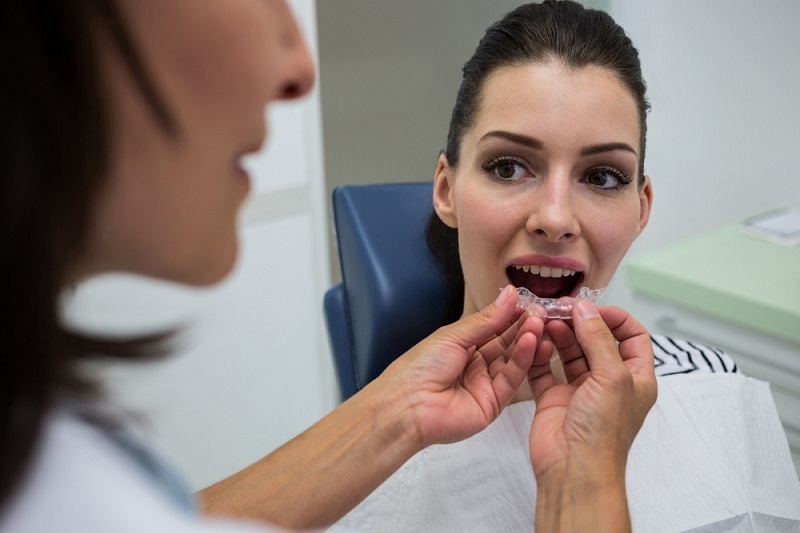
Moreover, custom whitening trays from the clinic fit closely. Consequently, gel stays put, and results look even along each tooth. Get details on Best Dental Clinic in Business Bay.

At-home options: what’s real and what’s hype

  • Whitening strips: Steady for mild stains,budget friendly and easy. However, fit is generic, so coverage can look patchy near curves.
  • LED kits: Light mainly warms gel. The gel concentration matters more. Therefore, judge kits by peroxide strength and tray fit.
  • Paint-on pens: Great for top-ups, yet limited contact time. Consequently, pens maintain results more than create them.
  • Whitening toothpaste: Only surface staines are removed and polished by whitening toothpaste. Anyhow, it does not lighten internal color like peroxide systems.

Safety first: enamel and gum protection

Used properly, whitening gels don’t strip enamel. They oxidize stains. However, overuse dehydrates teeth and irritates gums. Therefore, follow label times and take rest days.

Besides this, avoid harsh DIY acids or abrasives. Moreover Lemon, charcoal, and baking soda pastes scratch or soften enamel. As a result, stains can return faster.

Sensitivity: prevent it before it starts

Sensitivity often comes from dehydration or exposed dentin. Therefore, pre-load with desensitizing toothpaste for two weeks. Moreover, use dentist gels that include potassium nitrate and fluoride.

During treatment, shorten sessions if zings appear. Additionally, take “off nights” and apply remineralizing paste. In addition, comfort recovers while brightness continues.

Results timeline: How fast each method works

  • In-office whitening: In sixty to ninety minutes there will be a conspicuous change. Moreover, a follow-up polish or second session can “lock” shade.
  • Dentist trays at home: 7–14 nights for 1–3+ shades, with great control.
  • Strips: 10–20 days for mild improvement.
  • Pens and toothpaste: Best for maintenance between stronger treatments.

Therefore, pick your speed and level of oversight.

Color stability: how long the shade holds

Results last 6–18 months, depending on habits. Coffee, tea, red wine, and smoking re-stain faster. Therefore, time dark drinks with meals and rinse afterward.

Additionally, keep nights for touch-up trays if needed. Consequently, small boosters preserve brightness without starting from zero.

Cost comparison: real-world ranges

  • In-office whitening: Gives you fastest change with highest upfront cost along with professional insights;
  • Dentist trays: Mid-range; reusable; low-cost touch-ups later.
  • Strips or kits: Lowest cost; slower pace; less customization.

However, weigh sensitivity risk and do-overs. Sometimes the slower, cheaper route equals more total spend.

Special cases: fillings, crowns, veneers, and white spots

Whitening gels don’t change restoration colors. Consequently, mismatches can appear post-whitening. Therefore, plan shade first, then replace visible restorations to match.

White spot lesions may look brighter initially. However, resin infiltration or microabrasion can blend them. Moreover, ask your dentist before starting any high-strength gel.

Map your letters to a plan

  • A Big leap this week: Choose in-office whitening, then trays for maintenance.
  • B Gradual control: Pick custom trays with nightly low-dose gel.
  • C Sensitive teeth: Use dentist trays with desensitizers and frequent rest days.
  • D Crowns/veneers: Consult first; stage whitening before any replacements.
  • E Budget focus: Start with strips; switch to dentist trays if coverage looks uneven.

Technique matters more than gadgets:-

Dry the teeth lightly before applying gel. Meanwhile, use a rice-grain line of gel per tooth in trays. Therefore, avoid overflow onto gums.

Wipe any excess immediately. Moreover, remove aligners or retainers before whitening. Consequently, gel contacts enamel evenly. 

Maintain brightness without obsession

  • With fluoride toothpaste and soft bristles brush your teeth twice in a day
  • Floss nightly or use a water flosser.
  • After coloured drink rinse with fresh water.
  • Schedule professional teeth cleaning every six months.
  • Store custom trays safely for periodic touch-ups.

Myths to skip

  • “Blue lights do the whitening.” The gel does the work.
  • “Whitening ruins enamel.” Correct use keeps enamel intact.
  • “Stronger gel is always better.” Comfort and control drive success.
  • “Charcoal pastes whiten fastest.” Abrasion risks outweigh small cosmetic gains.

Therefore, follow evidence, not trends.

Two-week whitening roadmap (printable)

  • Days 1–3: Start desensitizing toothpaste. Photograph your shade in consistent light.
  • Days 4–7: Begin whitening: in-office session or first week with trays/strips. Hydrate well.
  • Days 8–10: Take an off night if sensitive. Then resume shorter sessions.
  • Days 11–14: Re-photo shade. Plan maintenance: monthly mini-sessions or coffee-rinse habits.

TL;DR box

Additionally, Teeth whitening at home is cheaper and flexible. Meanwhile, Professional teeth whitening is faster, safer for sensitive mouths, and more even. Because of which, choose by timeline, comfort, and supervision needs. As a result, maintain with smart habits and periodic touch-ups. 

Related Articles:

» Cosmetic Dentistry in Business Bay

» Teeth Cleaning & Dental Checkup in Business Bay

» Teeth Whitening Treatment in Business Bay

» Root Canal Treatment in Business Bay

» Pediatric Dentist in Business Bay

Making the Right Choice: Home Whitening vs. Dentist Care

Both paths can shine. Nonetheless, dentist-guided care gives precision, comfort, and speed. Because of which, align the method with your goals, protect enamel, and maintain brightness wisely.

FAQs

Which is the fastest whitening  procedure?

Apparently ,Professional whitening delivers the quickest shade jump with expert oversight.

Are dentist trays worth it?

Yes. They fit closely, control gel spread, and keep results even.

Do lights make a big difference?

Usually no. The gel’s chemistry matters more than LEDs.

Can enamel be damaged by whitening?

When Used in correct proportion, no. Overuse causes dehydration and sensitivity.

Will fillings and crowns whiten?

No. Plan whitening first, then match restorations

How do I avoid sensitivity?

Use desensitizing toothpaste, shorter sessions, rest days, and remineralizing paste.

Are strips safe daily?

Yes, within label times. Stop if irritation appears.

How long do results last?

Typically 6–18 months, depending on habits.

Coffee lover here—any tips?

Drink with meals, rinse after, and use monthly touch-ups.

When to consult a dentist for the first time?

If you are suffering from sensitivity, white spots, heavy tartar, or visible restorations.

Whitening for Sensitive Teeth Safely

Your enamel thins or exposes dentin tubules. Consequently, temperature and peroxide move inward faster. Therefore, nerves zing when gels dehydrate the tooth briefly. However, you can calm these pathways. Moreover, you can strengthen enamel before and during whitening. Hence, comfort improves while shades brighten.

A quick self-check before whitening

Answer yes or no:

  • Do cold drinks sting one spot?
  • Do gums bleed when you floss?
  • Do hot foods trigger zaps?
  • Do you clench at night?
  • Do you see white spot lesions?

If you answered “yes” often, consult a dentist first. Therefore, fix gum inflammation, cracks, or cavities before whitening. Get details on Best Dental Clinic in Business Bay.

Pre-whitening prep that actually prevents zings

Two weeks before day one:

  • Brush with desensitizing toothpaste (5% potassium nitrate). More than that, brush gently with soft bristles.
  • At night shift to fluoride toothpaste. Therefore, you add daily mineral support.
  • Use a remineralizing paste with calcium and phosphate before bed. Consequently, enamel gains buffer capacity.
  • Avoid strong acidity and frequent sipping. Additionally, limit lemon water, colas, and vinegar drinks.
  • Book a professional teeth cleaning if plaque or calculus lingers. Therefore, gels contact enamel evenly.

Best whitening options for sensitive teeth

Custom trays seal low-dose carbamide peroxide near enamel with little spill. Moreover, your dentist tunes gel strength and wear time. Therefore, results look even and comfortable.

In-office whitening with desensitizers

Clinics isolate gums and cycle gel in short bursts. Additionally, they apply fluoride or potassium nitrate between rounds. Consequently, you get speed with control.

Strips for light stains

Quality whitening strips help mild cases. However, monitor fit around curves. Therefore, stop if tingling rises and switch to trays.

Build your gentle whitening schedule

Week 1:

  • Wear trays 30–45 minutes every other night.
  • After whitening, use remineralizing paste for 10 minutes. Moreover, avoid very cold drinks for one hour.

Week 2:

  • Increase to nightly 45–60 minutes if comfortable.
  • Take a rest night if any zings appear. Consequently, comfort resets quickly.

Week 3–4:

  • Continue short sessions until you reach the target shade. Additionally, keep desensitizers nightly.

Therefore, you climb shades steadily while nerves stay calm.

Session-by-session technique that protects comfort

  • Dry teeth lightly so gel sits still.
  • Place a rice-grain line per tooth inside trays.
  • Seat trays gently. Immediately wipe excess from gums.
  • Stop at the scheduled minute. Do not extend.
  • First Rinse and then apply fluoride gel or remineralizing paste.

Moreover, wait 30 minutes before coffee or wine.

Desensitizing stack that truly works

  • Potassium nitrate toothpaste morning and night.
  • Fluoride varnish in clinic for high-risk mouths.
  • ACP or CPP-ACP paste after sessions to deliver calcium and phosphate.
  • Optional nano-hydroxyapatite paste for added smoothing.
  • Warm water rinses instead of icy water during treatment weeks.

Therefore, you block nerve signals and refill minerals reliably.

Foods and drinks that reduce sensitivity during whitening

Additionally,choose yogurt, cheese, nuts, eggs, and leafy greens.Because, these bring calcium, phosphorus, and proteins. As a result, enamel support rises.

For the time being, limit very hot soups, freezing smoothies, and sharp citrus. More than that, time coffee with meals. After that rinse with water.

Special cases and how to handle them

  • Recession and exposed roots: Use lower-strength gels and shorter sessions. Additionally, cover root surfaces with desensitizer first.
  • White spot lesions: Ask about resin infiltration to blend spots after whitening.
  • Crowns or veneers: These do not whiten. Therefore, plan shade first, then match restorations afterward.
  • Cracks or large cavities: Treat these before any whitening. Consequently, sensitivity falls and outcomes improve.

At-home comfort emergencies: quick fixes

  • Take a night off and apply remineralizing paste for 15 minutes.
  • Brush with potassium nitrate and wait an hour before cold food.
  • For rinsing use warm saltwater,rather than hot water, .
  • Message your dentist for fluoride varnish if zings persist.

However, do not layer random acids or abrasive pastes. Therefore, avoid lemon and charcoal scrubs.

Whitening myths to ignore

  • “Stronger gel works faster for everyone.” Comfort determines success, not only gel strength.
  • “LED lights do the whitening.” The peroxide gel does the chemistry.
  • “Charcoal fixes sensitivity and stains.” Abrasion risk outweighs minimal benefits.
  • “Brush right after whitening.” Wait to avoid scrubbing dehydrated enamel.

Therefore, follow science and your customized plan.

Keep your shade without daily whitening

  • Twice in a day Brush your teeth with fluoride toothpaste and soft bristles.
  • Floss nightly or use a water flosser.
  • After intaking dark drinks at mealtimes rinse with water afterward.
  • Schedule touch-up trays once a month, thirty to forty five minutes.
  • Book professional cleaning every six months, or sooner if stains build.

Related Articles:

» Acidic Drinks and Your Teeth

» Mouthwash Benefits and Side Effects

» Causes of Toothache and Quick Relief

» Baking Soda for Teeth: Benefits, Uses, and Risks

» Closing Gaps Without Braces Options

A two-week gentle roadmap (printable)

  • Days 1–3: Start desensitizing toothpaste. Reduce acids. Photograph your baseline shade in consistent light.
  • Days 4–7: Begin trays every other night, 30–45 minutes. Apply remineralizing paste after each session.
  • Days 8–10: Increase frequency if comfortable. Take one rest night.
  • Days 11–14: Continue short sessions. Re-photo shade. Plan monthly touch-ups and stain-smart drink timing.

TL;DR box

Additionally,you can whiten sensitive teeth safely with preparation and control. Because of which, preload desensitizers, choose custom whitening trays, run short sessions, and apply remineralizing paste. More than that, time dark drinks with meals and maintain with gentle habits.

FAQs

Is it ok to undergo whitening  if I have sensitivity?

Yes, after prep with dental clearance,and desensitizing toothpaste.

which method is the most gentle?

Custom whitening trays with short sessions and low-dose gel.

How  can zings be stopped quickly?

Pause, then apply remineralizing paste or fluoride.

Do LED lights reduce sensitivity?

Not reliably. The gel and protocol matter more.

What is the duration of dental sessions?

Depending on your comfort normally, thirty to sixty minutes.

Does whitening harm enamel?

Used correctly, no. It oxidizes stains, not enamel.

Can I drink coffee during treatment?

Yes, with meals. Rinse afterward.

Do crowns or veneers whiten?

No. Plan replacements after whitening.

What if white spots look brighter?

Consider resin infiltration after whitening.

How often for touch-ups?

Usually,monthly mini-sessions will help to maintain shade comfortably.

Dental Implants in Dubai: Restoring Your Smile with Precision

In Dubai, where appearance is highly valued, dental implants have become a popular choice for restoring missing teeth and achieving a perfect smile. These advanced restorative solutions offer precision and durability, helping individuals regain confidence in their smiles.

Precision and Durability

Dental implants are designed to mimic the natural structure of teeth, providing a stable and long-lasting replacement for missing teeth. Made from biocompatible materials such as titanium, implants fuse with the jawbone, offering unparalleled stability and functionality.

Procedure Overview

The dental implant process begins with a comprehensive evaluation to determine suitability. During the procedure, a titanium implant is surgically placed into the jawbone, serving as a sturdy foundation for a custom-made dental crown. This crown is carefully crafted to match the color, shape, and size of the surrounding teeth, ensuring a seamless and natural-looking result.

Benefits of Dental Implants

Dental implants offer numerous benefits beyond aesthetics. They improve chewing and speech, prevent bone loss in the jaw, and eliminate the need for removable dentures or bridges. With proper care, implants can last a lifetime, making them a cost-effective and reliable solution for tooth replacement.

Conclusion

In conclusion, dental implants in Dubai offer individuals a precise and effective solution for restoring their smiles. Whether replacing a single tooth or multiple teeth, implants provide unmatched stability, durability, and aesthetics. By consulting with a qualified dentist and undergoing the implant procedure, individuals can enjoy the benefits of a beautiful and functional smile for years to come.

Achieving Perfect Smiles: Orthodontic Treatments in Dubai

In Dubai, where appearance is highly valued, achieving the perfect smile is a priority for many individuals. Orthodontic treatments offer a range of solutions to correct misaligned teeth and bite issues, helping people attain the smile.

Orthodontic Options

Orthodontic treatments in Dubai include traditional braces, clear aligners, and other specialized appliances. These options cater to different needs and preferences, ensuring that everyone can find a suitable solution for their orthodontic issues.

Traditional Braces

Traditional braces are a reliable and effective method for straightening teeth and correcting bite problems. They consist of metal brackets and wires that gradually move the teeth into the desired position. Despite their visibility, many individuals still opt for traditional braces due to their affordability and proven results.

Clear Aligners

Clear aligners, such as Invisalign, are a discreet alternative to traditional braces. These transparent plastic trays gradually shift the teeth into alignment without the need for metal wires or brackets. Clear aligners are popular among adults and teenagers who desire a more subtle orthodontic treatment.

Specialized Appliances

In addition to braces and aligners, specialized appliances may be used to address specific orthodontic issues, such as palate expanders or retainers. These appliances work in conjunction with other treatments to achieve optimal results.

Conclusion

In conclusion, orthodontic treatments in Dubai offer individuals the opportunity to achieve perfect smiles and improved oral health. Whether opting for traditional braces or clear aligners, there are options to suit every lifestyle and budget. By consulting with a qualified orthodontist and exploring the available treatments, individuals can embark on a journey towards a confident and radiant smile that will last a lifetime.

Exploring Restorative Dentistry Options in Dubai

Restorative dentistry in Dubai provides various treatments aimed at repairing and enhancing teeth and gums. With the city’s diverse population and emphasis on dental aesthetics, understanding available options is crucial for maintaining oral health.

Dental Implants

Dental implants have gained popularity as a preferred choice for replacing missing teeth. These implants offer a natural and permanent solution, enhancing both appearance and functionality.

Dental Crowns

Dental crowns serve to restore teeth that are damaged or decayed.Custom-made to match natural teeth, they provide strength to weakened teeth and improve overall dental aesthetics.

Dental Bridges

Another option for replacing missing teeth is through the use of dental bridges.Dental bridges comprise artificial teeth anchored either to adjacent natural teeth or to implants.Bridges restore chewing ability and improve overall dental health and aesthetics.

Dentures

For individuals missing multiple teeth or entire dental arches, dentures offer a removable restorative solution. They provide flexibility and convenience, maintaining oral health and appearance.

Root Canal Treatment

Root canal treatment is commonly used to save infected or damaged teeth. It preserves natural teeth, preventing the need for extraction, and ensures long-term oral health and functionality.

Conclusion

Restorative dentistry plays a vital role in improving oral health and quality of life in Dubai. Whether individuals need to replace missing teeth, repair damage, or preserve their natural teeth, there are various options available to meet their needs. By exploring these options and consulting with a qualified dentist, individuals can achieve a healthy and confident smile that enhances their overall well-being.

The Importance of Periodontal Care in Dubai’s Dental Scene

In Dubai’s bustling dental scene, periodontal care is a cornerstone of maintaining oral health. With the city’s diverse population and emphasis on appearance, understanding the importance of periodontal care is essential. Let’s delve into why this aspect of dental health matters and how it impacts individuals in Dubai.Periodontal care focuses on the health of gums and supporting structures of the teeth, crucial for preventing gum disease and maintaining oral hygiene. Neglecting this aspect of dental health can lead to various issues, affecting overall well-being.

Preventing Gum Disease

Periodontal care is vital in preventing gum disease, known as periodontitis. Symptoms such as bleeding gums and bad breath can progress to tooth loss if untreated. Regular check-ups and cleanings help detect and address gum disease early, preventing further damage.

Supporting Overall Health

There’s a significant link between periodontal health and overall well-being. Untreated gum disease can increase the risk of systemic conditions like heart disease and diabetes. Prioritizing periodontal care reduces these risks and improves overall health.

Enhancing Aesthetic Appeal

In Dubai, where appearance is important, healthy gums and teeth contribute to a confident smile. Periodontal care prevents issues like gum recession and tooth loss, maintaining the natural beauty of the smile.

Promoting Long-Term Dental Health

Investing in periodontal care leads to long-term benefits. Good oral hygiene habits, including regular brushing and flossing, prevent the need for extensive dental treatments in the future.

Conclusion

In Dubai’s dynamic dental landscape, periodontal care is indispensable. Prioritizing regular check-ups and good oral hygiene habits ensures a healthy smile and overall well-being. Periodontal care isn’t just about aesthetics; it’s about safeguarding health in Dubai’s vibrant environment.