
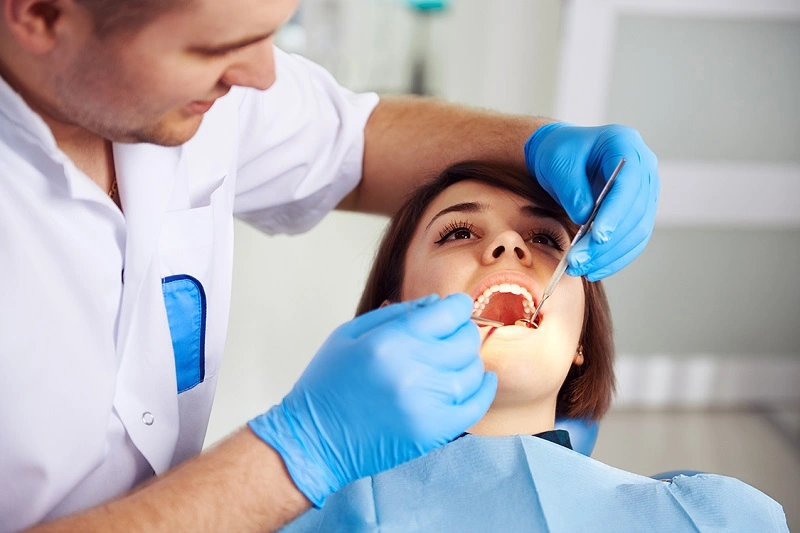
Wisdom Tooth Removal in Dubai
What Is Wisdom Tooth Removal?
Wisdom teeth are the third molars at the back of the mouth. They usually emerge in the late teens or early twenties, although their timing and development vary. Some people have four; others have fewer or none.
Wisdom tooth removal is the extraction of one of these molars when it causes disease, affects a nearby tooth, or presents a significant problem. The procedure may be straightforward if the tooth is fully visible, or more involved if part of it remains beneath the gum or jawbone.
Not every wisdom tooth needs removing. A healthy tooth that has erupted into a useful position and can be kept clean may be monitored during routine dental check-ups. The decision depends on symptoms, decay, gum health, position, and imaging findings, not age alone.
Signs You May Need Your Wisdom Tooth Removed
A wisdom tooth can be problematic even before it becomes severely painful. Signs that deserve a dental assessment include:
- Pain or pressure behind the last molar, particularly when chewing.
- Red, swollen, or tender gum tissue around a partly erupted tooth.
- Repeated gum infections, sometimes with a bad taste or unpleasant breath.
- Difficulty opening the mouth or discomfort that spreads towards the jaw or ear.
- Food repeatedly becomes trapped around a partly erupted tooth.
- A feeling of crowding or pressure, although crowding of the front teeth alone does not establish a need for extraction.
- Decay or gum damage affecting the wisdom tooth or the molar immediately in front.
- A cyst or another change on an X-ray, which is uncommon but needs assessment.
Other dental problems can cause similar symptoms. Finding the source helps avoid unnecessary extraction.
Impacted Wisdom Teeth: Why They Cause Problems
An impacted wisdom tooth cannot fully emerge into its normal position. It may angle toward the next molar, lie partly beneath a flap of gum, or remain more deeply enclosed in bone.
A partially erupted tooth often creates a pocket where food and bacteria collect. This can cause inflammation or infection around the gum, known as pericoronitis. Repeated episodes may make removal worth considering. An angled wisdom tooth may also contribute to decay or gum problems on the adjacent second molar.
Impaction alone does not justify surgery. The dentist weighs current disease, likely future problems, and the risks of either option.
A dental X-ray helps show root shape, direction, and proximity to neighboring structures. For selected complex cases, 3D imaging may help clarify the relationship to nearby nerves or other anatomy.
Simple vs Surgical Wisdom Tooth Extraction
The type of wisdom tooth extraction in Dubai depends mainly on how accessible the tooth is, not simply how painful it feels.
Simple Wisdom Tooth Extraction
When a wisdom tooth has fully erupted and is easy to reach, the dentist may loosen and remove it with instruments after local anaesthesia numbs the area. Stitches are often unnecessary. The dentist will explain how to protect the socket while it heals.
Surgical Wisdom Tooth Extraction
An impacted or partly buried tooth may require a small gum incision. In some cases, limited bone removal or dividing the tooth into sections allows removal with controlled force. Stitches may be placed if needed.
Surgery is not automatically necessary for every impacted tooth. Root position, imaging, medical history, and the neighboring molar influence planning. For lower teeth close to a nerve, the dentist should also explain the risk of temporary or, rarely, persistent numbness. In selected cases, alternatives such as coronectomy may be considered.
For non-wisdom teeth, White Swan also provides General Tooth Extraction care; the two services should not be confused.
Wisdom Tooth Removal Procedure at White Swan Dental Clinic
The dentist should explain the treatment before it begins. A typical appointment involves:
1. Examination and Imaging. The dentist asks about symptoms, previous infections, medicines, and relevant health conditions; examines the area; and reviews appropriate X-rays. The findings help determine whether extraction is needed and how to perform it.
2. Explaining the Options. You are told whether removal is simple or surgical, what alternatives may be reasonable, and what risks and recovery to expect. An impacted lower wisdom tooth close to a nerve, for example, needs particular consideration.
3. Local Anaesthesia. The dentist numbs the treatment area before extraction. You may notice pressure or movement, but report sharp pain immediately so the dentist can reassess anaesthesia.
4. Removing the Tooth. The dentist uses the planned technique and places stitches when appropriate. The dentist controls bleeding, usually with gauze pressure.
5. Recovery Instructions. Before leaving, you receive advice on eating, cleaning, prescribed medicines, and signs that require a call back.
The treatment approach depends on the tooth’s complexity, relevant medical history, and examination findings. If a case requires additional surgical expertise or a different treatment setting, we should discuss the appropriate options before proceeding.
Wisdom Tooth Removal Cost in Dubai
The wisdom tooth removal cost in Dubai varies because similar-looking teeth may need disparate treatment. A fully erupted, easy-to-access tooth is usually less complex than a deeply impacted molar with curved roots or a close relationship to a nerve.
The quoted fee may be influenced by the examination, X-ray or additional imaging, whether the extraction is simple or surgical, the anaesthesia plan, stitches, medicines and any follow-up care required. Removal of more than one tooth also changes the overall plan.
Before treatment, request an itemized estimate clarifying what is included and whether imaging or follow-up is charged separately. Confirm a specific price only after assessment, not based on symptoms described over the phone.
Will insurance help? Some UAE dental policies cover medically necessary extractions, but exclusions, limits, co-payments, and pre-approval rules differ. Ask for treatment details to check with your insurer before proceeding.
Recovery and Aftercare
Recovery differs between straightforward and impacted wisdom tooth removal. Expect soreness, mild bleeding, swelling, and temporary jaw stiffness. Swelling often peaks within the first two or three days before easing; a surgical site may take longer to feel comfortable. Gum and bone healing continue after you feel ready for normal activities.
On the Day of Extraction
- Bite on gauze for the time advised to help a protective blood clot form.
- Rest, drink fluids, and choose soft, cool, or lukewarm foods such as yogurt, scrambled eggs, or mashed potato.
- Take any prescribed medicine exactly as directed. Do not start antibiotics on your own; they are not needed after every extraction.
- Avoid smoking, vaping, shisha, alcohol, straws, vigorous rinsing, and forceful spitting, especially during the first day.
- If your treatment involved sedation, follow the specific restrictions on driving and other activities given by your clinician.
From the Following Day
Clean the other teeth normally but be gentle near the socket. If your dentist advises it, begin gentle warm salt-water rinses after the first 24 hours. Continue with softer foods and gradually return to usual meals as chewing becomes comfortable. Avoid hard, sharp foods that may disturb the area.
A straightforward removal may let you return to desk work quickly; surgical cases sometimes require several quieter days. Follow the procedure-specific advice, especially if you have strenuous work, travel, or exercise plans.
When to Call Your Dentist After Extraction
A little tenderness and swelling are common. Contact the clinic promptly for bleeding that persists despite firm gauze pressure, fever, pus, unpleasant drainage, or worsening pain and swelling.
A deep, increasing ache a few days after extraction may signal a dry socket, when the protective clot has been lost or has not developed properly. It needs dental assessment and sometimes local treatment; it is not a reason to take extra antibiotics simply.
Seek urgent medical care for rapidly spreading facial or neck swelling, difficulty breathing or swallowing, or severe systemic symptoms. These should not wait for a routine dental appointment.
Why Choose White Swan Dental Clinic in Business Bay
Wisdom tooth care should be based on a diagnosis and a treatment plan you understand. At White Swan Dental Clinic, the focus is on whether removal is needed and which approach suits the tooth.
The clinic is located in The Citadel Tower, Business Bay, convenient for people living or working around Downtown Dubai and nearby neighborhoods. Its published information emphasizes hygiene, sterilization, clinical examination, and patient communication.
Before treatment, you can discuss the expected procedure, recovery, risks, and a written fee estimate. If an X-ray shows a complex position or nerve-related concern, explain the next step clearly rather than rushing. We also review medical conditions and medicines that affect bleeding before treatment.
F.A.Q - Teeth Cleaning & Polishing
01. How painful is wisdom tooth removal?
02. Does everyone need their wisdom teeth removed?
03. How long does wisdom tooth removal take?
04. How long is the recovery after wisdom tooth removal?
05.What is the cost of wisdom tooth removal in Dubai?
06.Does insurance cover wisdom tooth removal in Dubai?
Due for a cleaning? Book your dental cleaning and scaling appointment at White Swan Dental Clinic in Business Bay. Book an appointment or pair it with a routine dental checkup.